Pay My Bill

Eye Exams
Expert Eye Tests
Enjoy Clear Vision for a Bright Future
The Optical & Hearing Centers utilizes innovative technology to detect potential issues early with eye exams. Taking care of your eyes allows you to see the world clearly and confidently. More than just updating your prescription, eye exams provide a window into your overall health. Our flexible hours fit your availability, so schedule an appointment today.
Contact Us
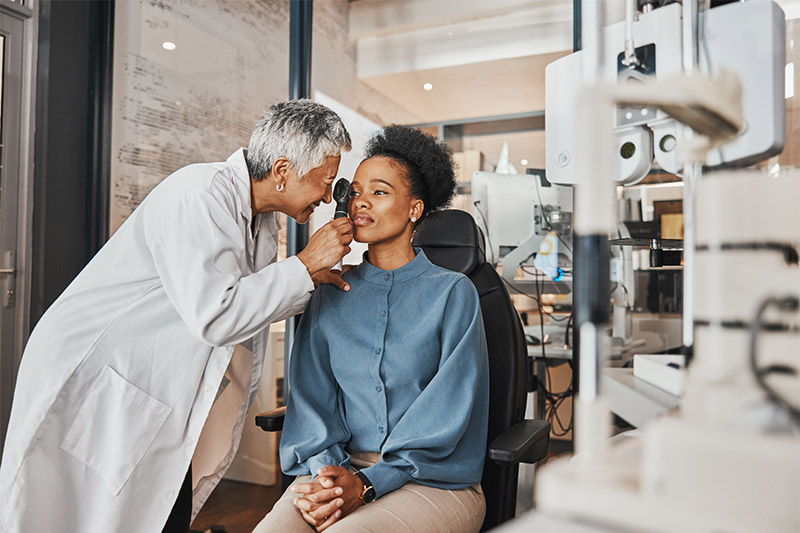
What Your Routine Eye Exam Covers
Refraction
Your doctor checks your eyes for refractive errors, such as nearsightedness, farsightedness, and astigmatism.
Eyewear
We determine whether your current prescription requires an update or if you need glasses for the first time.
Other Issues
The exam also screens for focusing problems, eye-teaming issues, and conditions like amblyopia or strabismus.
Daily Needs
Our checkup ensures that your eyes can function correctly and that you maintain sharp vision for daily tasks.
Clearer Insight
What Do Medical Eye Exams Address?
Medical eye exams are more comprehensive than routine vision checkups. Here’s how proper eye care helps preserve vision and supports overall health:
- Focused Medical Care—These exams are essential for patients with diabetes, high blood pressure, glaucoma, or other medical conditions that affect eye health.
- Expert Disease Management—We diagnose and manage diabetic retinopathy, macular degeneration, cataracts, dry eye syndrome, and computer vision syndrome.
- Advanced Diagnostic Technology—Using precise medical imaging and testing, we closely monitor the retina and optic nerve and identify early signs of serious health issues.
When Should You Schedule an Eye Exam?
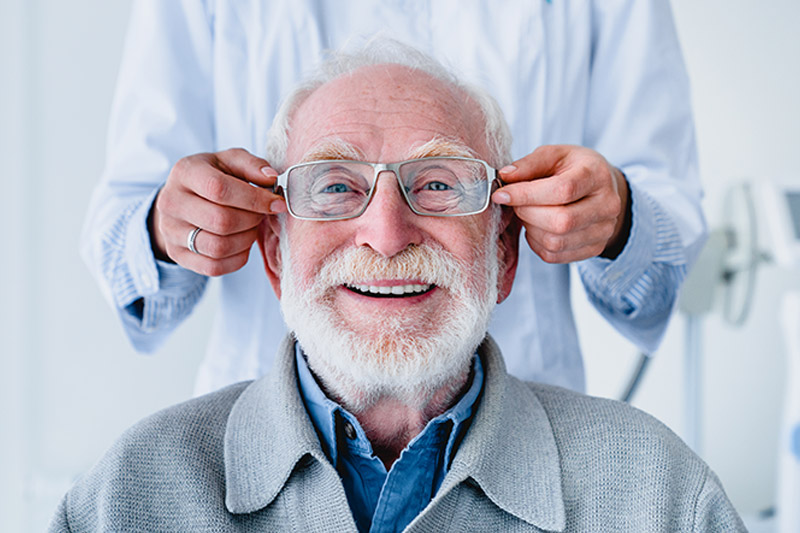
Knowing when you need an eye exam is crucial for ensuring your overall health. Here’s when to consider scheduling a professional eye exam:
- More than one to three years since your last exam, or you can’t recall the date.
- Vision changes, such as blurriness, dizziness, or seeing spots and floaters.
- Difficulty driving at night or frequent headaches.
- A family history of glaucoma or diabetes.